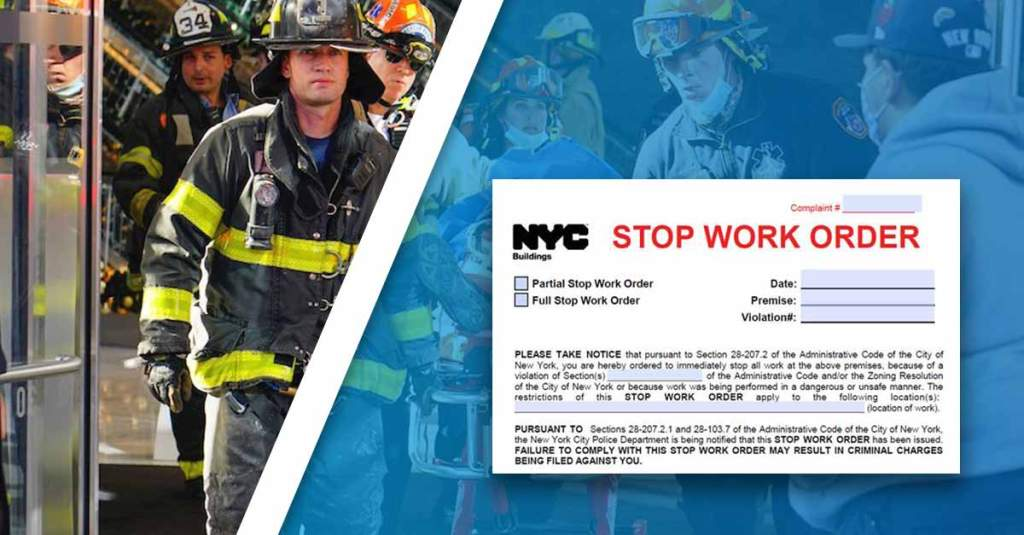
A site doesn’t usually get shut down over bad welding. Gets shut down because something around the welding wasn’t covered right. Different problem. Different fix.
Anyone looking into hot work fire watch Chicago before a project starts is usually trying to dodge exactly this. Not a fire. A stop-work order that halts the whole job over something that had nothing to do with the actual cutting.
The Most Common Reason a Job Gets Flagged
An inspector showing up mid-project isn’t grading welding technique. They want proof the required coverage was there. Especially right after the work stopped.
Skip that window, or don’t document it, and the job gets flagged. Even if nothing went wrong. Paperwork matters almost as much as the safety itself here, because there’s no other way for a fire marshal to confirm compliance.
Why the Post-Work Window Trips People Up
Torch goes cold, and it’s tempting to call the job done. Crew packs up. Moves on. Area sits unattended. And that instinct is exactly the problem, since a smolder in nearby material can start well after the actual work stopped.
Most codes call for continued monitoring after hot work ends. Thirty minutes, often. Sometimes longer, depending on materials and site conditions. Skipping this is one of the most common gaps inspectors find.
Coverage that ends the moment work stops, instead of running through the hold
No documented proof the post-work period was actually watched
Patrol logs missing or incomplete for the job’s full duration
No dedicated guard. Work crew assumed to handle it themselves
Documentation Is What Actually Protects the Job
A job with no fire, no incident, can still get flagged with no record proving coverage happened. Catches people off guard. Instinct says no fire means no problem. Doesn’t work that way.
Inspectors go by documentation. Not by someone’s word. A signed, time-stamped log covering the whole work period, post-work hold included, is what actually satisfies the requirement.
Confirm a dedicated guard, separate from the work crew
Verify coverage runs through the full post-work hold
Keep a signed, time-stamped log for the entire job
Check the hold-time requirement for whatever materials are in play
Why Handing It to the Work Crew Doesn’t Hold Up
Some sites try to save money having the crew handle fire watch themselves. Quick check before heading out for the day. Rarely satisfies code. Rarely catches what a dedicated guard would.
A welder focused on finishing isn’t positioned to also watch for smolder risk with the same attention a dedicated hot work fire watch Chicago guard brings. Split attention between finishing the task and watching for hazards, and neither gets done as well as it should.
What Inspectors Actually Check For
A site visit, or a post-incident review, usually comes down to a few questions. Guard present? Post-work hold observed? Log proving both? Miss any one of those and it’s often enough to trigger a shutdown, even when the welding itself was flawless.
Get those three rights, consistently, and that’s the difference between a site that passes without issue and one that ends up dealing with a shutdown mid-project.
The Simple Way to Avoid the Problem Entirely
A dedicated fire watch guard cuts out the guesswork. Coverage runs the full duration. Continues through the required post-work window. Documented the whole time, no crew member left to remember an extra task on top of their actual job.
Avoiding a stop-work order was never really about how smoothly the welding went. It’s about proving the coverage was there the whole time. That proof is what separates a site that passes inspection from one that doesn’t.