Backgrounds provide context, enhance visual identity, and direct focus during avatar videos. Even useful information can be redundant with one setting. Multiple scenes provide rhythm and break up ideas, but do not alter the presenter. Professional settings also accommodate a variety of topics, whether it’s training sessions or product announcements. Pippit assists creators in creating videos with different scenes and a uniform presentation using avatars. Structural, clarity and visual continuity can be improved with strategic background changes.
What Makes an AI Avatar Background Look Professional?
The professional AI avatar background features clean composition, balanced lighting, and purposeful visual hierarchy. The presenter needs to be the most prominent figure in the scene. Use backgrounds that have sufficient contrast to distinguish the avatar from other elements. Do not have bright objects behind the face, particularly in close-up presentations. The background design should not distract from expressions or narration, but should complement the presenter. Subject relevance is also important because an appropriate setting enhances credibility. For instance, an office enables a business to communicate, and a classroom enables instruction content. Pippit offers avatar and scene options that contribute to a professional look. Choose appropriate environments for your topic, audience, and brand. The uniformity of the visual quality throughout the different scenes also gives the video a “made for purpose” feel.
Build a Multi-Scene Structure Around Your Video Narrative
Begin with an introduction setting the topic and purpose of your video. Then transition to special scenes when new information or concepts are introduced. Explanations can be made in a classroom environment, and a product can be introduced in a studio environment. Organize the presentation into different environments that don’t break the flow of the presentation. Go back to a standard setup for key conclusions or call to action. This allows your audience to be given visual cues as to what’s happening in your video. A talking photo can enliven an image; the scene planning still determines the overall flow of the presentation. Be consistent with avatar look, typography, captions, and branding for all environments. These recurring elements help to tie different scenes together and give the video a cohesive structure. Don’t plan scene changes for decoration but for meaning.

Steps to Leverage Multiple Scenes Using AI Avatar Professional Background Library
Step 1: Launch the Video Generator and Explore Avatars
- Sign up for Pippit with your Google, TikTok, or Facebook account information.
- Open “More” from the left vertical menu bar and select “Video generator”.
- Choose “Avatar video” under Popular tools to browse AI avatars.
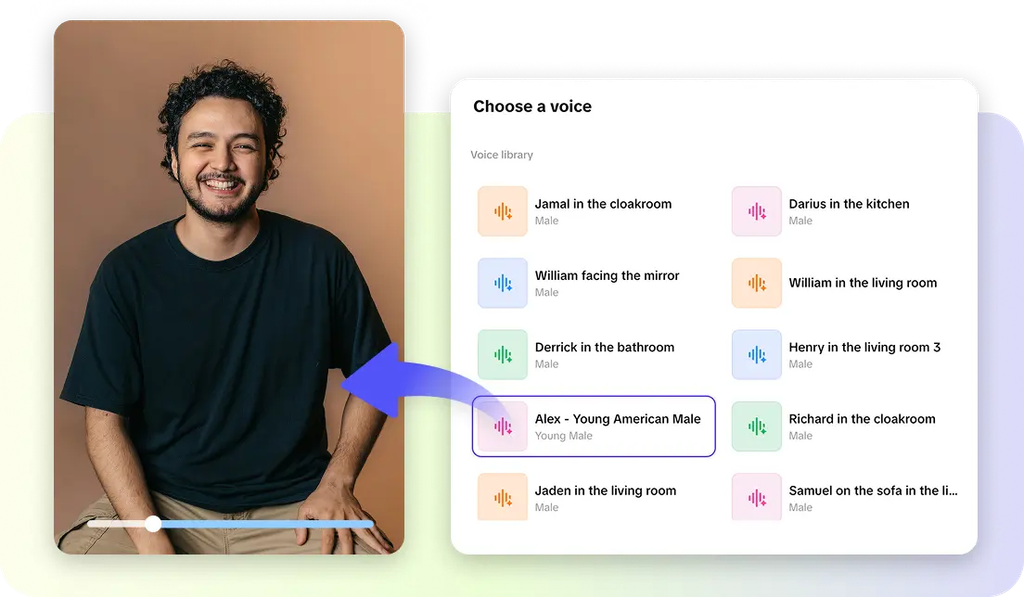
- Match voice narration with avatars for dynamic and engaging video content.
Step 2: Select an Avatar and Prepare Multiple Scenes
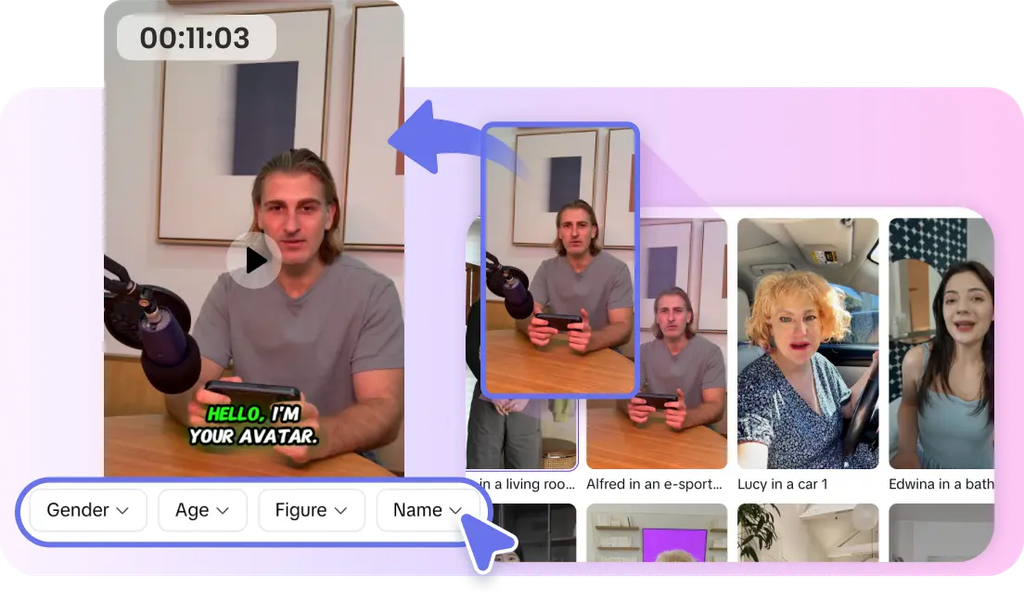
- Browse characters in “Recommended avatars” under “Choose avatar”.
- Filter them by gender, age, industry, name, scene, pose, outfit style, or figure.
- Select an avatar and click “Edit script” to customize the dialogue.
- Enter text in multiple languages and apply accurate lip-sync.
- Scroll to “Change caption style” and choose a design suited to your scenes.
Step 3: Polish Scenes and Export the Video
- After lip-sync, click “Edit more” to refine the talking avatar video.
- Adjust script timing, voice pacing, and facial expressions for each scene.
- Add text overlays and background music to complete the presentation.
- Click the “Export” tab in the top right corner when ready.
- Select “Publish” for TikTok, Instagram, or Facebook, or click “Download” and choose your preferred format, frame rate, resolution, quality, and name.
Match Background Types with Different Video Purposes
Video has various use cases, and different contexts create different expectations. Office backgrounds are for corporate announcements, presentations, and training. Tutorials, explanations, and demonstrations are provided in classroom settings. Studio backgrounds help to produce professional promotional images, and product-based settings help to link demonstrations with product benefits. If narration is used to provide detailed information, simple backgrounds will suffice. Select options that enhance the message and don’t distract from it. Pippit’s scene options give creators the ability to create a variety of presentations for marketing, education, and customer support. Keep in mind the audience’s expectations and refrain from elaborate settings that do not enhance the message.
Coordinate Avatar Placement with Background Composition
How viewers perceive the presenter and supporting information is influenced by avatar placement. Allow room for captions, titles, logos, and other words. Place avatars so that background details aren’t distracting from facial expressions. Use close-ups for emotional emphasis and short explanations; half-body framing for presentations and gestures; full-body framing for demonstrations and physical movement. Use the same position throughout the scenes to help focus attention on the message. Separation between foreground and background helps to clearly see the content, particularly on smaller screens. Before completing each scene, check the clothing for contrast with the environment.
Create Seamless Transitions Between Different Scenes
Change environment at natural topic changes, section breaks, or audience needs. Coordinate transitions with narration for connected visual changes. Try not to change background during crucial explanations unless background change provides meaning. Maintain consistency in typography, captioning, logos, lighting, and branding throughout scenes. Design elements can be repeated to bind together different environments into one presentation. Try not to change the background too often, as this can be distracting to viewers. Pippit allows for multi-scene avatar presentations with consistent visual identity. Look at the entire video to make sure all the transitions enhance the story and don’t distract the viewer.
Background Selection Mistakes to Avoid
Here are some common pitfalls to steer clear of when choosing professional settings for avatar videos:
- Busy backgrounds: Backgrounds that are too “busy” can make presentations hard to follow.
- Poor contrast: Avatars may not be visible due to similar colors of clothing and background.
- Irrelevant settings: When the setting is not subject-related, an attractive setting can diminish credibility.
- Inconsistent styles: If there are significant visual style differences between consecutive scenes, this can create a sense of disconnect.
- Too much decoration: Never let decoration or narration/captions compete.
- Frequent switching: Too much switching of background does not help viewers find important information.
- Weak lighting: Poor lighting will cause people to look less clear and be inconsistent in appearance.
- Bad framing: Backgrounds should not be over important text or facial expressions.
Conclusion:
In some situations, multiple professional scenes can be very useful in augmenting the avatar-based storytelling and provide a definite visual goal in each section. Relevance, consistency, composition, and controlled transitions are all factors in effective scene selection. Pippit aids creators in crafting diverse avatar appearances while keeping a consistent visual brand. Select backgrounds based on the purpose of the content, NOT decoration. Background variety is a storytelling device, not a distraction, when all environments support the message.