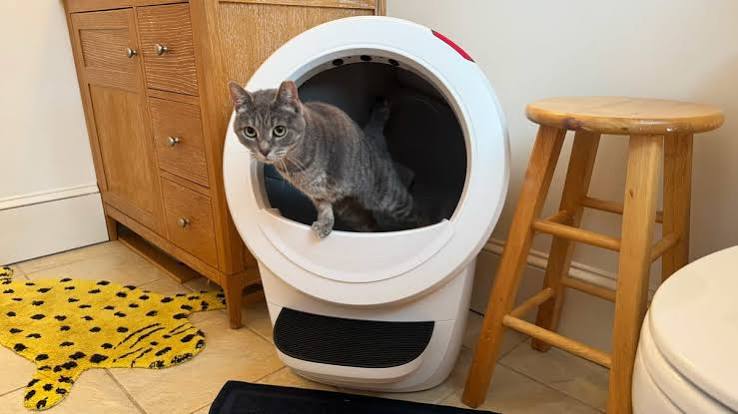
Automatic litter boxes are one of those purchases that looks simple online and turns complicated in real life. The descriptions all sound similar: sensors, automatic cycles, sealed waste drawers, app connectivity. But owners quickly discover that two boxes with nearly identical feature lists can perform very differently. One runs quietly for years; the other jams weekly, scares the cat, and ends up unplugged in a closet.
Longevity is the quality most buyers underestimate. A self-cleaning box has motors, gears, sensors, and seals, and any one of those can fail. The models that last are built around durable components, sensible litter handling, and maintenance that does not require a screwdriver. This guide focuses on how to judge build quality and mechanical design, so you can pick a box that keeps working after the novelty wears off.
Build Quality Before Features
It is tempting to compare models by counting features, but that approach misses the point. A long list of extras does not matter if the drive mechanism is weak or the waste drawer leaks odor. The parts that determine whether a box survives daily use are mostly hidden: the motor, the gear assembly, the sensors, and the seals.
A well-built unit feels solid. The drum or rake moves smoothly without grinding, the drawer closes with a firm seal, and the housing does not flex when you lift it. Cheap units often feel hollow and use thin plastic that cracks near the motor mount. When you read reviews, look for comments about longevity and repair history rather than first impressions. A box that is still running after two or three years is a far better signal than a five-star review written on day one.
The best self cleaning litter box for a long-term home is the one with the simplest reliable mechanism, not the one with the most sensors. Every added component is another thing that can fail, and every feature you will not use is added complexity you still have to maintain.
The Mechanical Details That Matter
Once you get past the marketing, a self-cleaning box comes down to how it moves litter and how it stores waste. Different designs handle this in different ways, and each has trade-offs that affect long-term reliability.
Rake Systems vs. Rotating Drums
A rake system sweeps clumps into a side compartment. It is mechanically simple, which usually means fewer failures, but it depends on firm clumps and consistent litter. Light or crumbly litter can slip past the rake and leave residue behind. A rotating drum tilts or spins to sift litter through a screen, which handles a wider range of litter types but involves more moving parts and more stress on the motor. Both designs can last, but the rake is generally easier to diagnose and repair when something goes wrong.
Sensor Reliability
Sensors are the safety backbone of any automatic box. Weight sensors detect when a cat is inside, motion sensors catch approach, and some units use both. Dust and litter particles can interfere with optical sensors over time, so look for designs where the sensors are shielded or easy to wipe. A box that cycles while a cat is nearby is dangerous, and a box that refuses to cycle because of a dirty sensor is merely annoying but equally frustrating. Reliable sensors are not a luxury; they are the difference between a safe appliance and a hazard.
Seals and Odor Containment
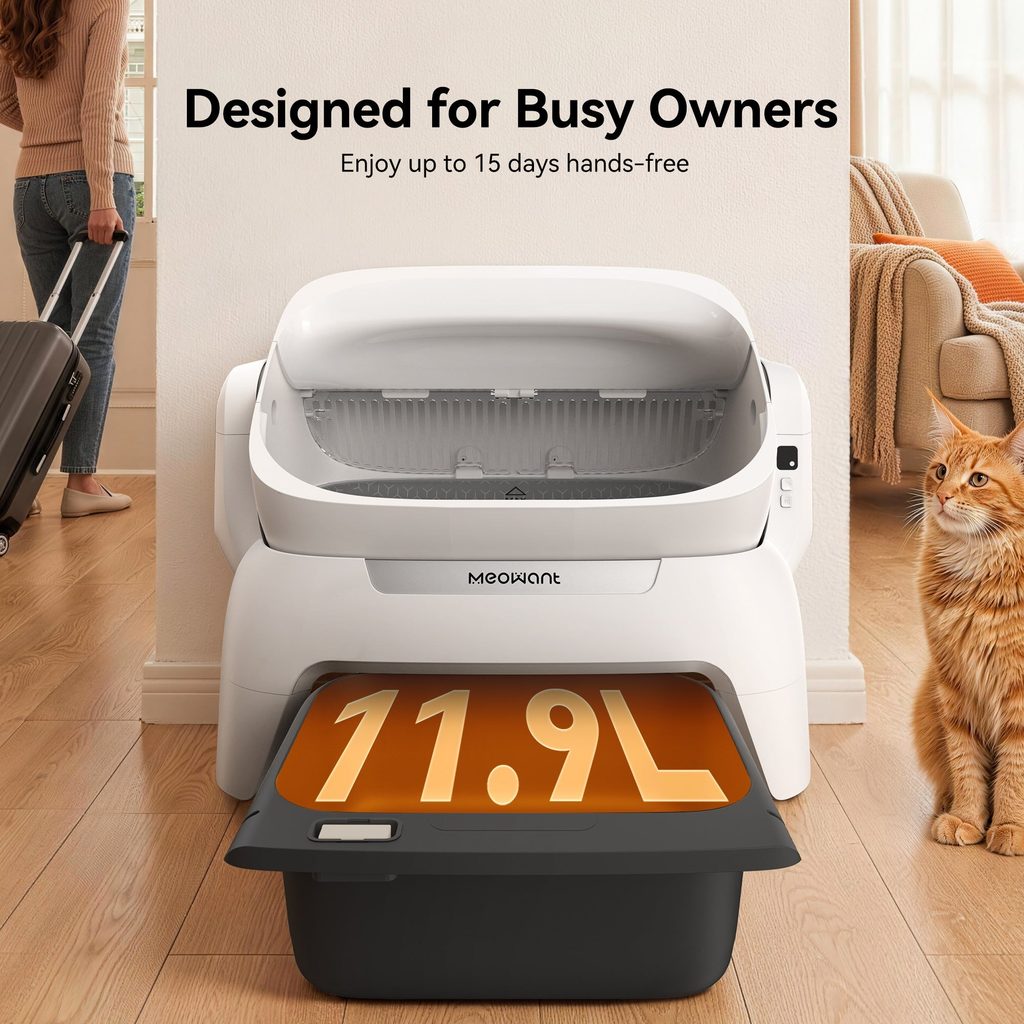
The waste compartment is where smell accumulates, and the seal is what keeps it from escaping. A drawer with a gasket, a carbon filter, and a snug fit will contain odor far better than a loose tray. Check how the drawer is removed and whether the opening is large enough to empty without spilling. Seals degrade over time, so a design that allows replacement is a good sign. If the drawer is difficult to remove, you will empty it less often, and the smell will find its way out regardless of how good the seal is.
Maintenance Habits That Extend Lifespan
Even a well-built box will fail early if it is neglected. The most common causes of premature breakdown are litter that is too fine or too coarse, overfilled waste drawers, and dirty sensors. A simple routine prevents most of these problems.
Keep the Mechanism Clean
Wipe the sensors and the rake track with a dry cloth once a week. Litter dust builds up in the tracks and around the motor housing, and that dust is what causes grinding and false triggers. Do not use wet cleaners near electrical components, and avoid compressed air, which pushes dust deeper into the mechanism. If the box has a removable drum or rake assembly, clean it on the schedule the manufacturer recommends rather than waiting for a jam.
Match Litter to the Machine
Use the litter type the manufacturer specifies, and keep it consistent. Fine clumping litter works well with most rake systems, while some drum designs handle a wider range. Avoid lightweight or pellet litter unless the box explicitly supports it, since those can jam the mechanism or fall through the sift. Keep the litter level where the manual says; too much litter overloads the rake, and too little leaves residue on the pan.
Empty the Drawer Before It Is Full
An overfilled drawer puts strain on the mechanism and prevents proper sealing. Empty it on a schedule, not when it is packed. In a single-cat home, every few days is usually enough; with multiple cats, daily checks are safer. Line the drawer if the design allows it, which makes emptying faster and keeps the compartment cleaner between washes.
Deciding Whether Automation Fits
Not every household benefits from a self-cleaning box. The people who get the most value are those with busy schedules, multiple cats, or physical limitations that make daily scooping difficult. The people who end up disappointed are often those who expect the box to eliminate all litter work or who have a cat that refuses anything unfamiliar or mechanical.
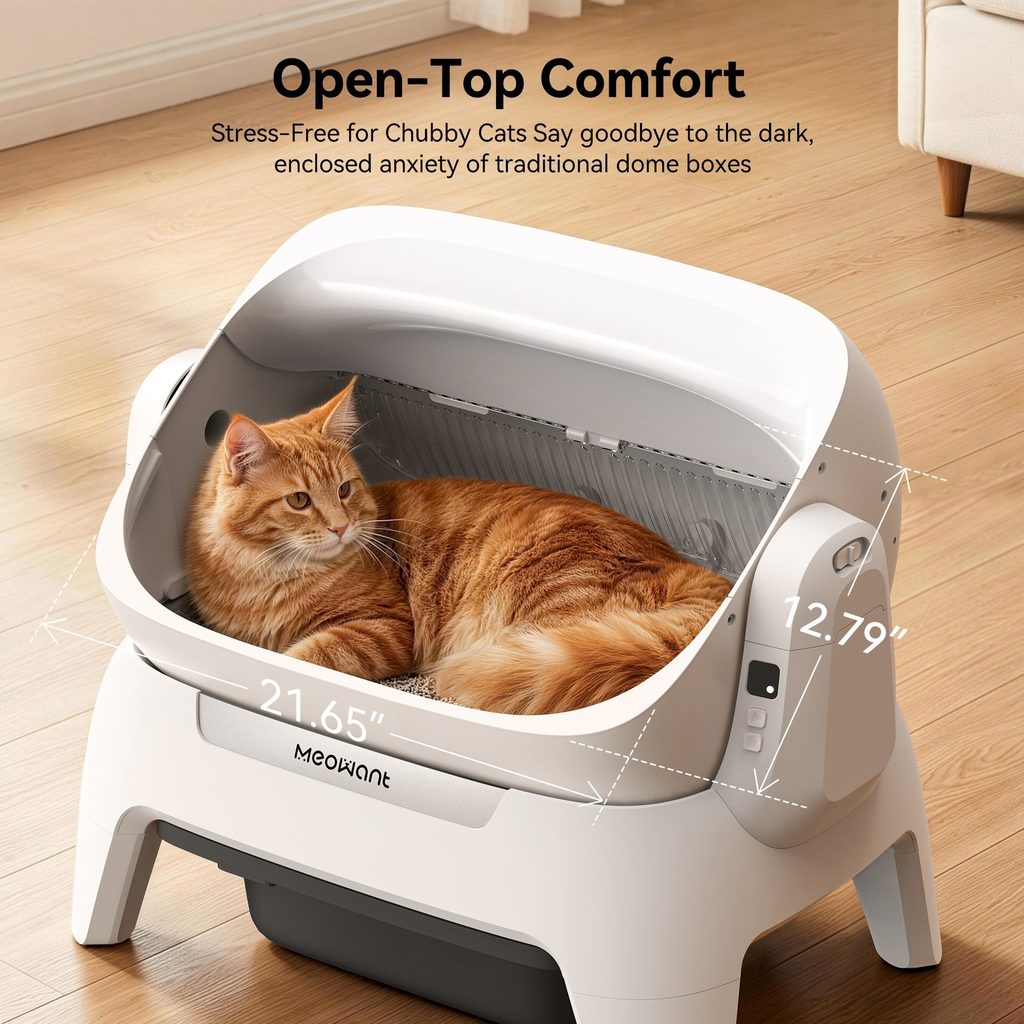
Consider your cat’s temperament before you buy. Skittish cats may need a slow transition, and very large cats need a box with enough interior room to turn around. If your cat has mobility issues, check the entry height. A self-cleaning box is a tool, and like any tool it works best when it matches the job. If your household fits, it can remove a daily chore and keep the litter area cleaner. If it does not, a simple manual box and a good scooping routine may serve you better.
Budget is part of the decision too, but frame it correctly. The purchase price is only the beginning; filters, liners, and eventual repairs add to the total. A durable box with inexpensive consumables usually costs less over its life than a cheaper box that needs frequent parts. Before buying, check how easy it is to order replacements and whether the manufacturer supports the model with parts after the warranty ends.
Durability Is the Real Selling Point
The best self-cleaning litter box is not the one with the longest feature list. It is the one that still cycles quietly after years of use, with minimal repairs and predictable maintenance. Build quality, sensor reliability, and sensible waste handling matter far more than app integration or flashy extras.
When you compare models, look past the spec sheet. Read about how the mechanism holds up, how easy the drawer is to empty, and how the box behaves when something goes wrong. Brands like Meowant build units with stable housings and straightforward mechanisms that suit long-term use. A careful choice now means fewer jams, less odor, and a box that quietly does its job while you focus on your cat.