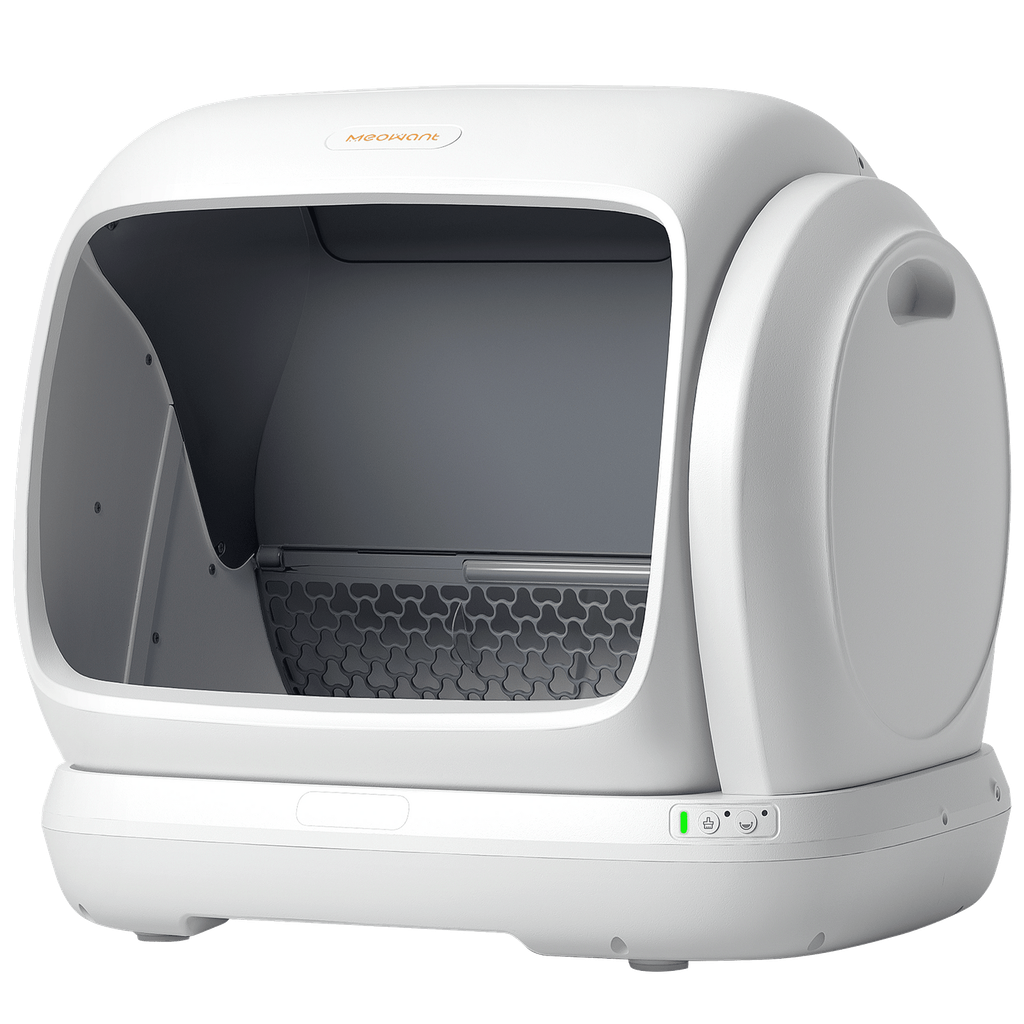
Few purchases in a cat household generate as much hope, and as much regret, as an automated litter solution. The pitch is appealing: the machine scoops, you stop scooping, and the house smells better. But most disappointment with these devices does not come from the technology itself. It comes from decisions made before the box ever arrives — a rushed purchase, a placement chosen for looks instead of logic, or expectations shaped by marketing rather than by how cats actually behave.
This guide walks through the mistakes that show up again and again in owner forums, veterinary waiting rooms, and return queues. None of them require technical expertise to avoid. They require a little patience, a tape measure, and an honest look at your own routine. Get those three things right, and the gap between what you expect and what you experience narrows dramatically. Get them wrong, and even a well-built unit can end up unplugged in a corner.
Before the Box Arrives: Decisions That Shape Everything
The first mistake happens in the shopping cart. Many buyers compare automatic cat litter boxes by feature lists alone — app support, cycle counts, self-cleaning modes — without asking whether those features fit their home. A unit that needs a wide clearance behind it will not work in a hallway nook. A model designed for one cat will struggle in a household of four. The specification sheet is a starting point, not an answer.
Start instead with three measurements: the floor space you can genuinely surrender, the clearance required around the unit, and the height of the cat using it. Then read the manufacturer’s setup requirements rather than the marketing copy. If the numbers do not match your room, no amount of clever software will fix it.
Reading the Fine Print on Sensors and Safety
Sensor behavior deserves more attention than it usually gets. Look for documentation on weight detection, anti-pinch stopping, and what happens during a power interruption. A good design fails safe: the drum stops, the entrance stays open, and the cat is never trapped. Ask how the unit behaves when a curious kitten walks in mid-cycle. Reviews that mention hesitation, false stops, or cats being startled are worth reading closely, because those small moments shape whether a cat trusts the box at all.
Sizing for the Cat You Have, Not the Kitten You Had
Interior chamber size is the quiet dealbreaker. A large adult cat needs room to turn around without brushing the walls, and senior cats need a low entry step. Measure your cat from nose to tail base while standing, then compare that against the usable interior dimensions, not the exterior footprint. Owners who skip this step often discover the mismatch only after the return window closes.
First-Month Mistakes That Undermine a Good Unit
Once the box is unboxed, enthusiasm tends to override method. The most common error is placing the unit where it is convenient for humans rather than comfortable for cats. Next to a rumbling washing machine, behind a door that slams, or in a dark basement corner all create stress. Cats want a quiet, semi-private spot with an escape route and a clear line of sight. Set the box up in its final location for a few days before powering it on, and let the cat investigate a stationary object first.
Litter choice is the second frequent misstep. Fine clumping litter behaves differently in an automated drum than coarse pellets, and some sensors interpret lightweight litter as an obstruction. Follow the manufacturer’s recommendation, then transition gradually if you want to try something else. Sudden changes in texture are a classic reason cats reject a box, and owners often blame the machine.
Timing is another subtle variable. Many units default to cleaning almost immediately after a cat exits, which can startle an animal still lingering nearby. Lengthen the delay if the model allows it, and watch whether your cat turns back to inspect the box after leaving. A pause of a minute or two costs nothing and often removes the last bit of hesitation.
The third mistake is retiring the old box too quickly. Keep the familiar manual box available for at least a couple of weeks, placed nearby but not adjacent. Most cats accept the new unit within days, but a stressed cat needs a fallback. Removing the safety net too soon can produce avoidance that is far harder to undo than a slow introduction.
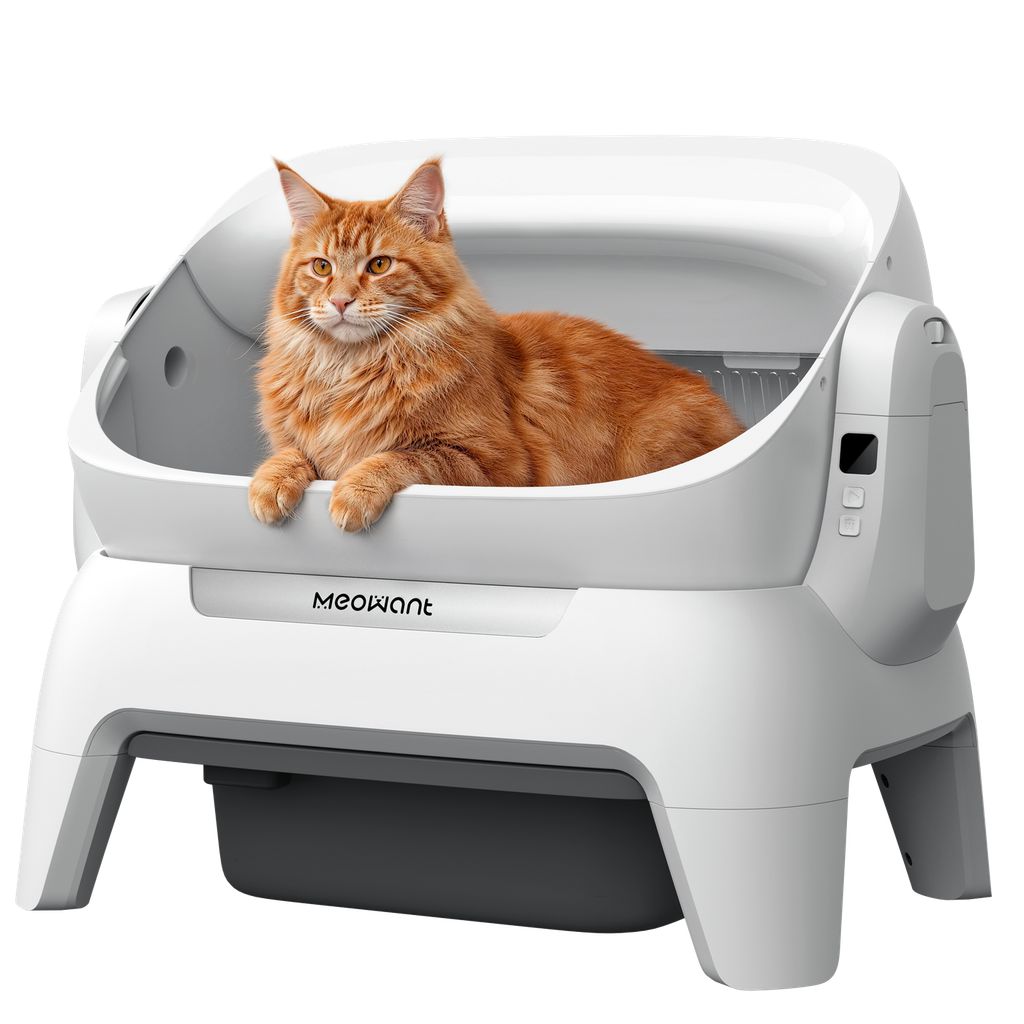
Finally, resist the urge to trust the app blindly. Notifications tell you a cycle ran, not that the waste drawer is sanitary or that the liner has slipped. A quick daily visual check catches the small problems — a stuck clump, a misaligned bag, a sensor dusted with litter — before they become smelly ones. Automation reduces labor; it does not remove supervision.
Maintenance Habits That Decide Longevity
An automated box is a small appliance, and like any appliance it rewards consistent care. Wipe the sensor window on a schedule rather than waiting for a fault code. Empty the waste drawer before it is full, because overfilled drawers cause jams and odors that linger. Deep clean the chamber monthly with a pet-safe cleaner, and let it dry fully before reassembly. These habits take minutes and prevent most of the failures owners complain about online.
Replacement parts are the other half of the story. Liners, carbon filters, and drum seals wear out, and a unit running with a torn seal will smell regardless of how clever its software is. Budget for consumables from the start and keep a spare set on hand. Owners who treat parts as an afterthought are the ones writing frustrated reviews a year later.
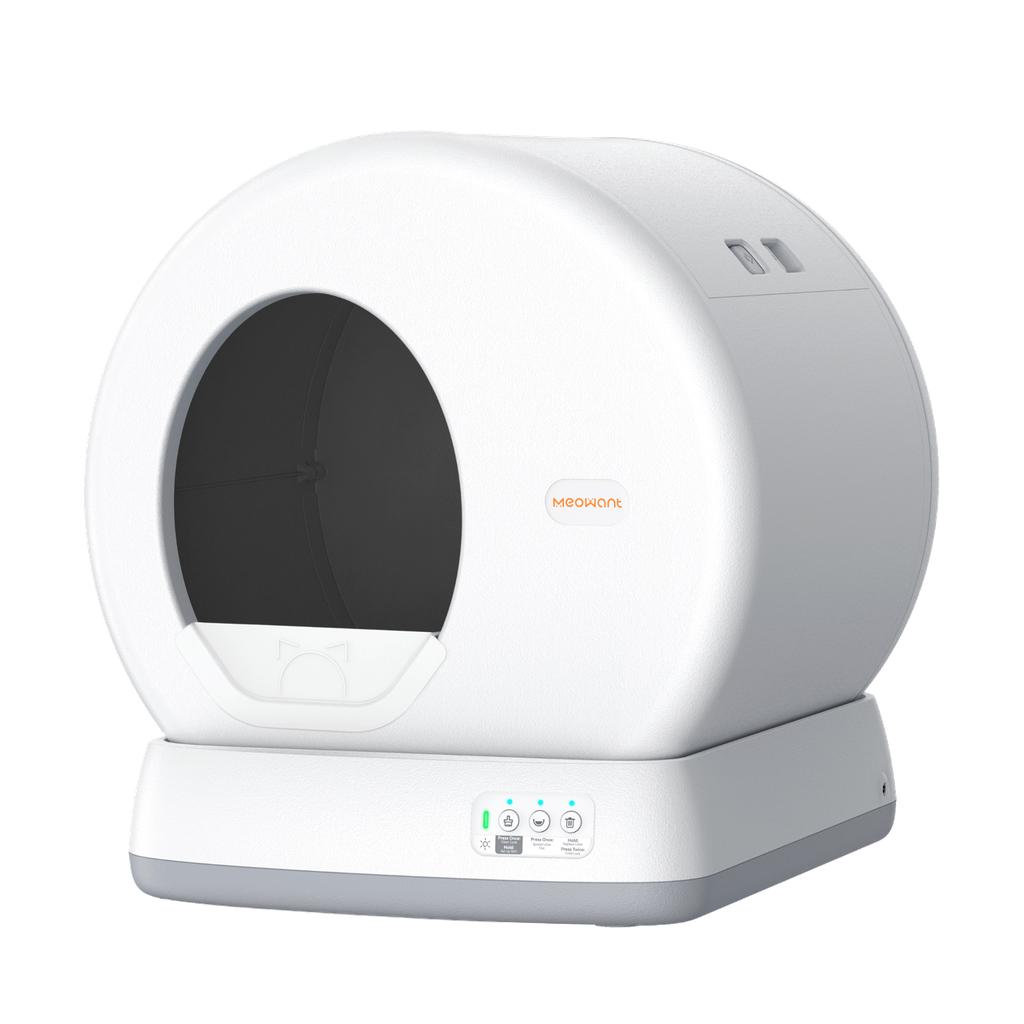
It also helps to watch the cat, not just the machine. A sudden refusal to enter, urination outside the box, or nervous circling near the entrance can signal discomfort with the unit’s motion or noise. Those signals are easy to miss when the app dashboard looks healthy. Behavior is the most reliable diagnostic tool you have.
What to Look for Instead
A better buying process looks almost boring. Measure the space. Confirm the interior dimensions suit your cat. Read the safety documentation. Check whether replacement parts are easy to order. Look for a design that fails safe and a company that publishes clear support information. Brands such as Meowant, for example, build their lineup around different household sizes, which makes it easier to match a unit to a real room rather than to a feature chart.
Then plan the introduction like you would plan any change for a cautious animal: slow, quiet, and reversible. Buy from a seller with a fair return policy, because cat preferences are personal and no review can predict them. None of this is glamorous, but it is the difference between a device that quietly does its job and one that becomes an expensive shelf.
Finally, keep the receipts and the packaging for the first month. Cats adjust on their own timeline, and a unit that seems ignored in week one may become the favorite in week three. Rushing to return it, or rushing to remove the old box, closes options you may want later. Patience costs nothing and preserves the most valuable thing in this purchase: the ability to change your mind.
It is also worth deciding in advance who maintains the unit. In shared households, the task often drifts to whoever notices the smell first, which breeds resentment. Write the cleaning schedule down or set a reminder, and treat the machine as a shared responsibility rather than a magic solution. That single conversation prevents most of the friction that automated litter systems create between roommates and partners.
Spending Wisely, Living Lighter
An automated litter box can genuinely lighten the daily load, but only when the purchase is treated as a planning exercise rather than an impulse buy. Measure the space, size the chamber for your cat, read the safety details, and introduce the unit slowly with the old box still available. Follow the manufacturer’s litter guidance, keep up with filters and seals, and check the drawer with your own eyes even when the app says everything is fine.
The owners who are happiest with these machines are rarely the ones who bought the most feature-packed model. They are the ones who matched the device to their room, their cat, and their willingness to do ten minutes of upkeep a week. Avoid the mistakes above, and the box becomes what it was supposed to be: a quiet piece of household infrastructure that lets you spend your attention on the cat instead of the scoop.